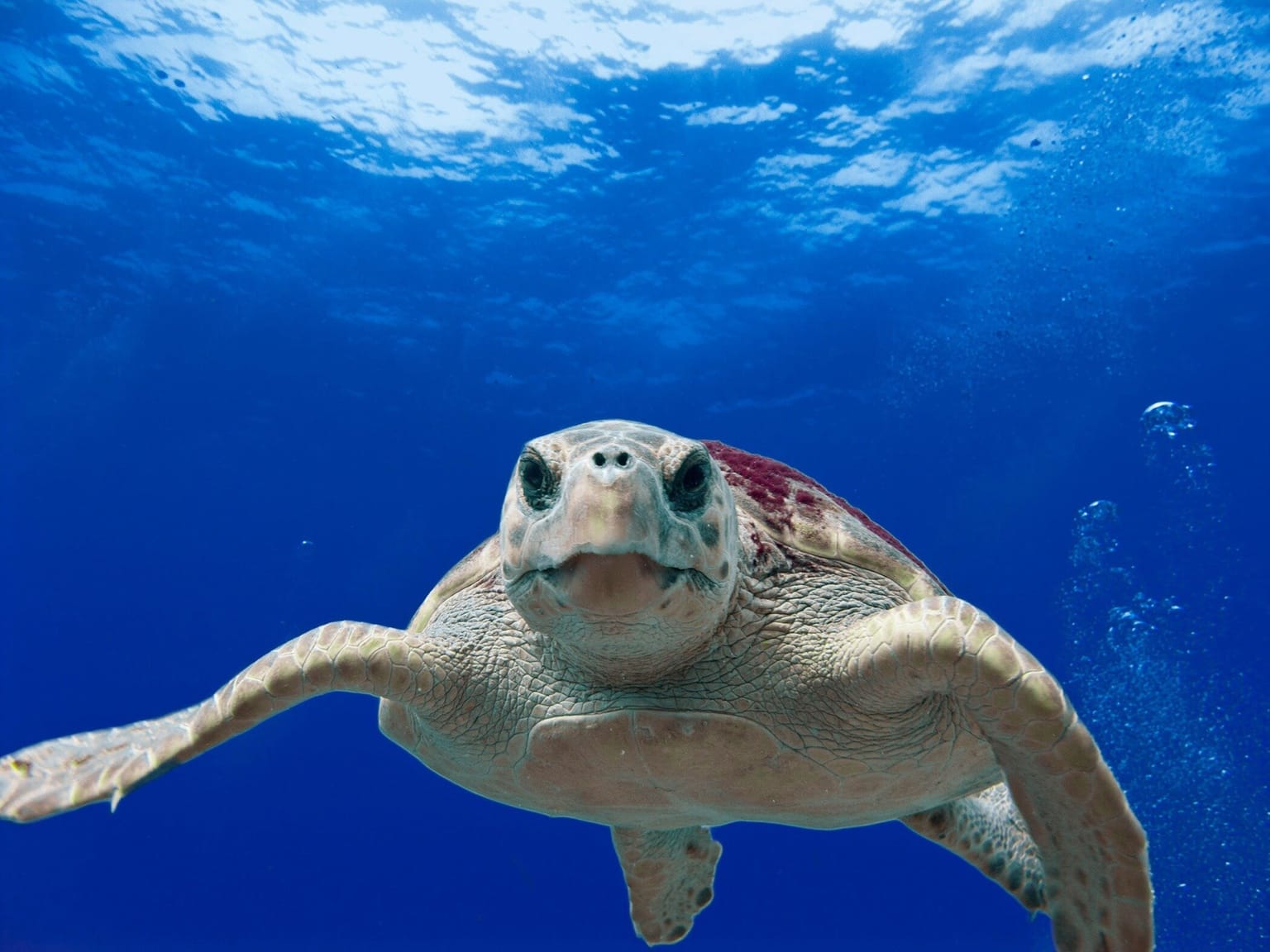
Ancient turtle hunting could inform modern conservation throughout southern Caribbean
Despite the promise of rebounding green sea turtle numbers, many sea turtle populations continue to flounder under the pressures of changing climates, overfishing and urbanization.
What to take away
Watch whether the progress continues long enough to protect the place or species.
Why it's good
It points to real recovery progress for a vulnerable species or place after sustained conservation work.
Keep reading
More Bright Stories
Good EarthCool it: AI-driven solutions to lower urban heat need community buy-in to work
A new framework to cool urban areas which integrates AI-driven technical solutions with cooling schemes that are acceptable and doable for the host community, has been proposed by QUT Urban AI Hub researchers.
Phys.org Earth - Jul 30
Good EarthWhat went right this week: global road safety progress, plus more
The world’s roads got much safer, global hunger levels eased, and Brazil set a welcome record for deforestation, plus more
Positive News - Jul 24
Good EarthTrees and microbes team up to improve nitrogen nutrient processes in higher CO₂ conditions
Forest trees growing in air containing higher levels of carbon dioxide (CO2) radically change the way they "cycle" nitrogen, a key plant nutrient, with implications for forests as a nature-based climate solution.
Phys.org Biology - Jul 29
Good EarthRestored wetlands aren't clear-cut wins against climate change, study suggests
Wetland restoration is often promoted as a definitive way to support wildlife, improve water quality and help store carbon. However, new research from McGill University suggests the overall climate picture is more complicated. In a study of human-made marshes along the Bay of Fundy, researchers found that parts of these restored wetlands are releasing methane, a greenhouse gas 27 times more potent than carbon dioxide. The findings, published in the Journal of Geophysical Research: Biogeosciences, highlight the importance of addressing nuances and closely evaluating one-size-fits-all climate solutions.
Phys.org Earth - Jul 29