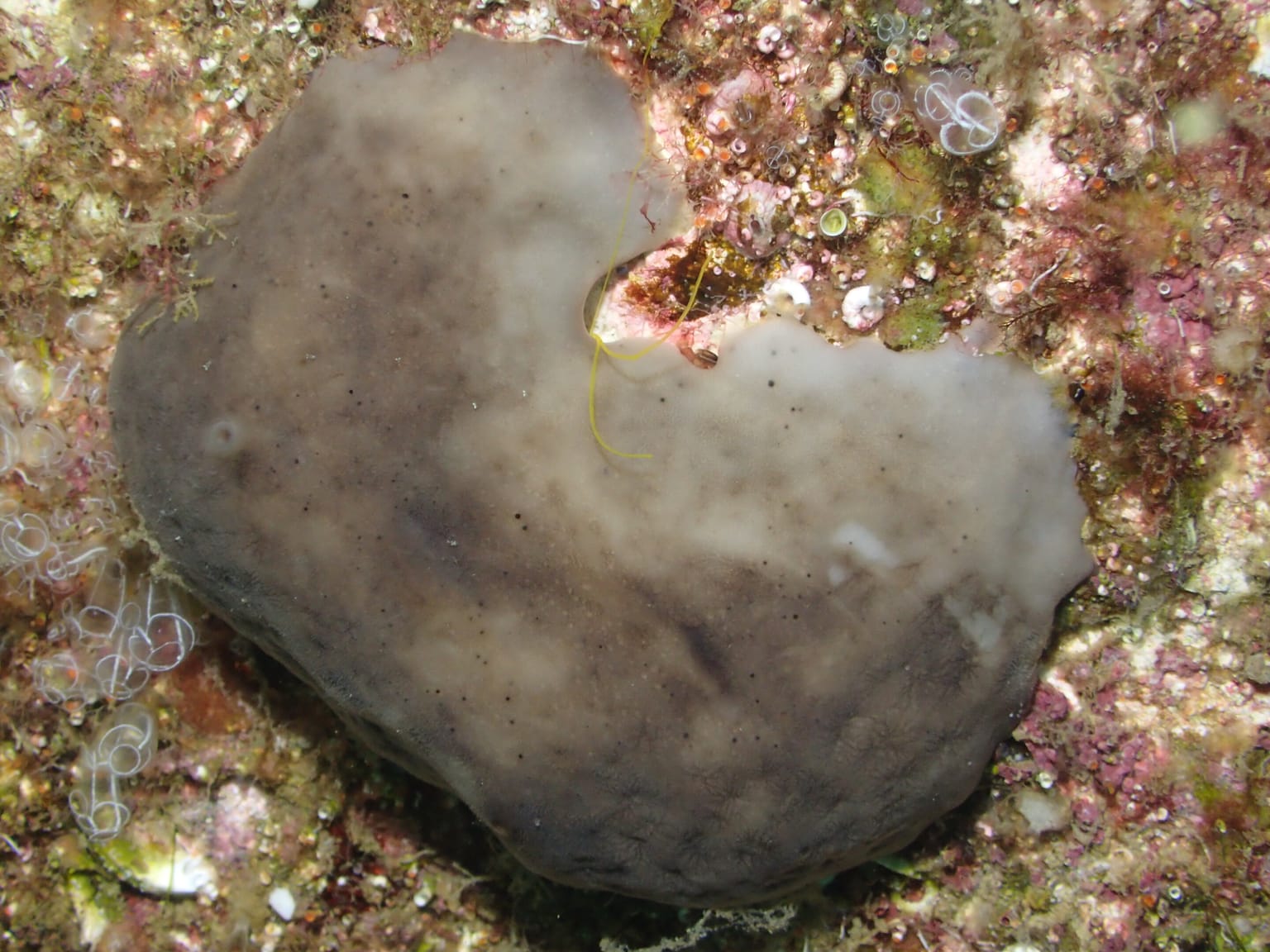
Chicken kidney sponge could be 'outstanding' at cleaning up polluted ports
Ports rank among the most disturbed marine environments. Pollutants like trash, oil and toxins from antifouling paints tend to accumulate in enclosed harbors. Invasive species arriving in ballast water may displace native wildlife, while ship propellers, sonars and dredging...
What to take away
Watch whether the help leads to lasting care, safety, or support.
Why it's good
It points to real recovery progress for a vulnerable species or place after sustained conservation work.
Keep reading
More Bright Stories
Animal RescueMontana Teen Uses Rodeo Lasso to Rescue Drowning Man on Yellowstone River
From Big Sky Country comes a rescue story so cliche that even Hollywood scriptwriters would pass it over. A 14-year-old obsessed with roping cattle rescued a man who’d fallen into a river Indiana Jones-style, catching him around the neck and arm with his lasso. Jory Thomas was spending 4th of July weekend at his grandparents
Good News Network - Jul 29
An Endangered Kemp's Ridley Sea Turtle Named Pancake Makes a Triumphant Return to the Ocean After Months of Rehabilitation
The cold-stunned turtle was rescued last fall on Cape Cod and has since made a full recovery. The reptile, whose sex remains unknown, is estimated to be between 2 and 5 years old and weighed 11 pounds at the time of release
Smithsonian Smart News - Jul 28
Animal RescueTropical species near thermal limits as global warming compresses safety margins
With global warming and extreme weather intensifying, can animals raise their thermal tolerance to cope with a continuously warming environment? A joint research project by the Division of Science at Lingnan University and an international research team conducted experiments on tropical intertidal snails that live under the scorching sun.
Phys.org Biology - Jul 27
Animal RescueHow flying together helps Andean condors save energy
Animals are constantly moving to find food, water, suitable habitats, mates and safe places to rest. Because moving requires substantial energy, animals often rely on various biological and behavioral strategies to reduce unnecessary costs while seeking available resources.
Phys.org Biology - Jul 27