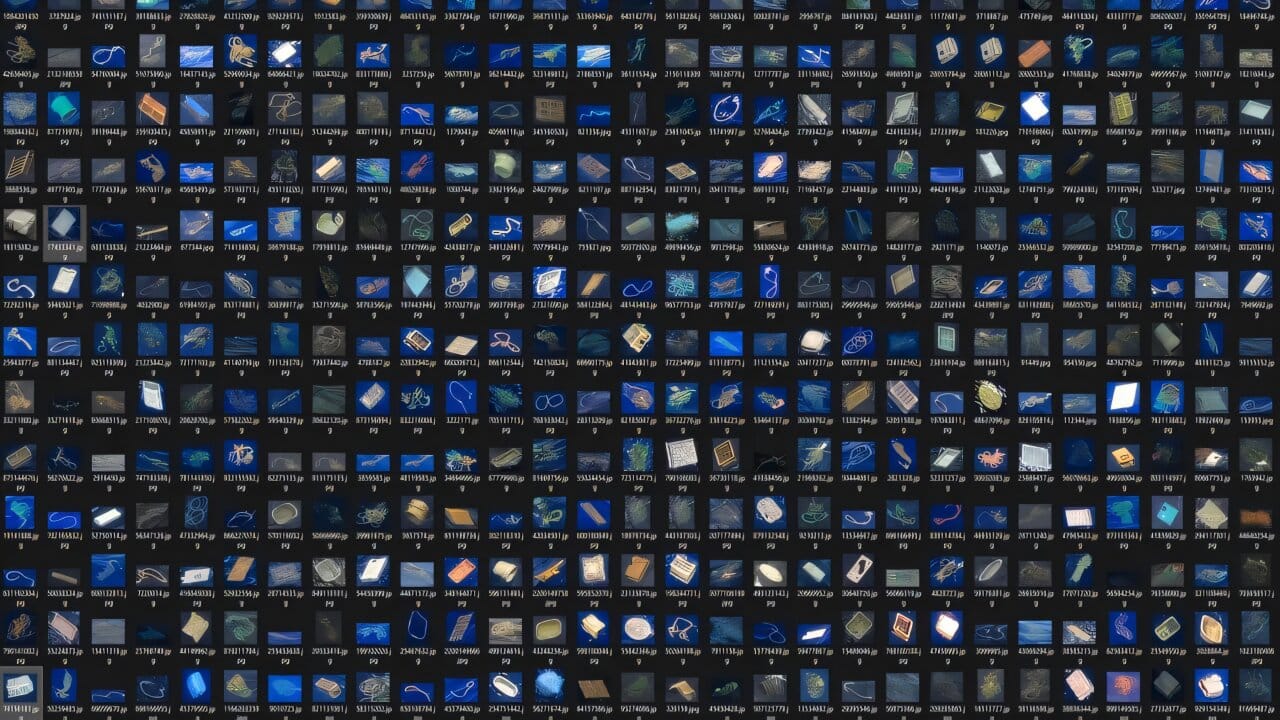
Creating the largest-ever database on floating ocean plastic using smart cameras
The first five years (2019–2024) of operations of The Ocean Cleanup's Automated Debris Imaging System (ADIS) have been reviewed, and the findings have been published in Environmental Research Communications. In addition to reviewing the technology's performance, the study covers...
What to take away
Watch whether the progress continues long enough to protect the place or species.
Why it's good
It shows practical action making shared natural spaces cleaner and healthier.
Keep reading
More Bright Stories
Good EarthBeekeeping as a Forest Conservation Strategy Reduces Human-Wildlife Conflict at Valmiki Tiger Reserve in India
Happy Eco News Beekeeping as a Forest Conservation Strategy Reduces Human-Wildlife Conflict at Valmiki Tiger Reserve in India Beekeeping as a forest conservation strategy is creating real change at Valmiki Tiger Reserve in India, where 60 households now earn income from honey while reducing dangerous dependence on protected forest resources.
Happy Eco News - Jul 23
Good EarthNew genetic approaches raise hopes for restoring the American chestnut to its former glory
The American chestnut tree was a dominant and iconic species in many Appalachian forests until it was devastated by an introduced fungus from Asia called chestnut blight.
Phys.org Biology - Jul 22
Good EarthQ&A: Listening with light—an innovative new technology for studying the seafloor
The seafloor plays an important ecological and societal role. Understanding the processes that shape this environment will help guide conservation policy and decision-making about underwater infrastructure and geohazards.
Phys.org Earth - Jul 22
Good EarthWhy river management is so crucial to protecting one of world's most important wetlands
A major new study led by Swansea University has shown that upstream river management, rather than local rainfall, is the primary driver of one of the world's most important wetlands. According to the research published in Scientific Reports, which analyzed more than two decades of satellite observations, the future of Iraq's Mesopotamian Marshes depends far more on the water flowing from the Tigris and Euphrates rivers than on rainfall.
Phys.org Earth - Jul 22