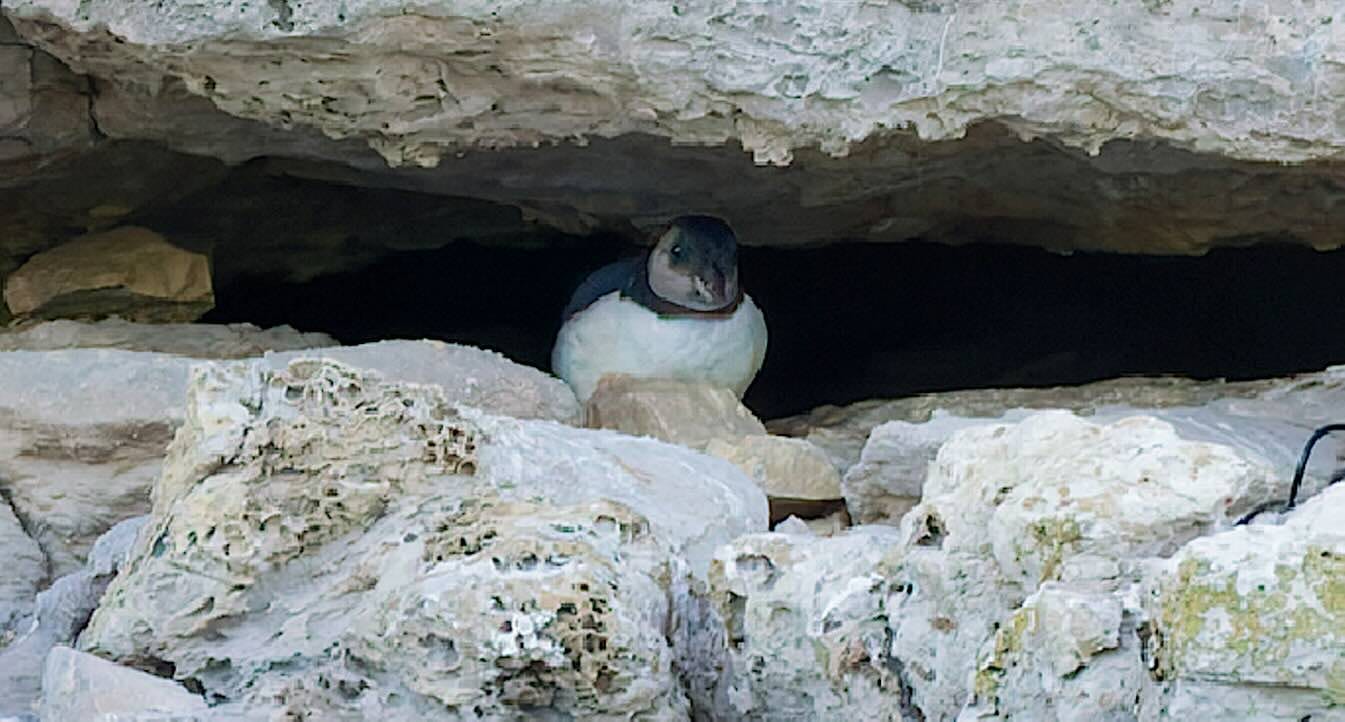
First Puffin Chick Spotted in Over 30 Years Emerges Along Cliffs at England’s South Coast
Conservationists were holding their breaths this Spring as the last remaining colony of puffins was in danger of being lost altogether, but relief turned to joy as, not only did the adult puffins return, a baby was born. For the first time in 30 years, a newborn bird—called a...
What to take away
Watch whether the progress continues long enough to protect the place or species.
Why it's good
It points to real recovery progress for a vulnerable species or place after sustained conservation work.
Keep reading
More Bright Stories
Good EarthUnwritten social rules, not government oversight, help keep forest land sustainable
Swidden agriculture—often called "slash-and-burn"—has been practiced on every inhabited continent throughout human history, and for decades it has been blamed for the destruction of the world's rainforests. However, a new study of more than 18,000 forest patches around the world found that the environmental impact of swidden is more nuanced and less destructive than the term "slash-and-burn" suggests—and that unwritten social rules in small societies, not government oversight, often regulate land use closely enough to support both harvests and forest regeneration sustainably over time.
Phys.org Earth - Jul 25
Good EarthCameras attached to whale sharks capture krill chases never witnessed before
Whale sharks (Rhincodon typus)—the world's biggest fish—are one of the most charismatic marine species. They connect with the hearts of anyone lucky enough to encounter them, making people deeply curious about their lives and invested in their conservation.
Phys.org Biology - Jul 25
Good EarthMore than 80,000 flee forest infernos in France and Spain
Europe's wildfire crisis forced more than 80,000 people to flee for safety Friday, as vacationers boarded boats to escape fires on a French peninsula and Spanish officials ordered mass evacuations in towns near Madrid.
Phys.org Earth - Jul 24
Good EarthReview finds lack of evidence as to whether planting around our homes reduces the pollution we breathe
A new review led by the University of East London (UEL) has uncovered a major blind spot in air pollution research. Despite domestic gardens covering vast areas of Britain's towns and cities, researchers found no direct evidence showing whether they reduce pollution levels or improve the air people breathe at home. There is a huge gap in understanding the role of domestic gardens in air quality.
Phys.org Earth - Jul 24