BrightSide
Science and Health

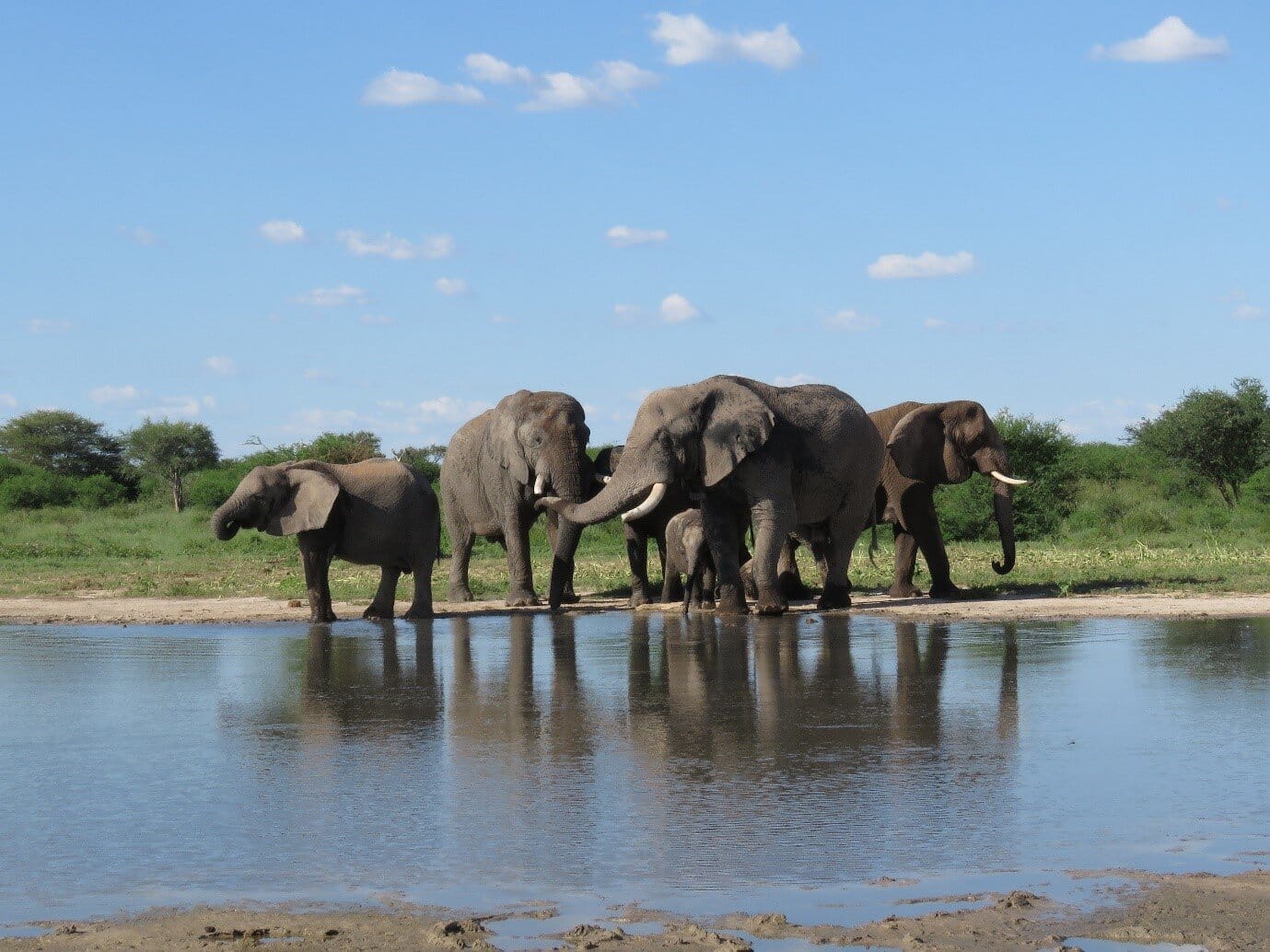
Five-year study finds rewilded elephants develop successful coping mechanisms, with individual differences

Ex-captive elephants released into the wild adapt well to wild environments, according to a study published July 29, 2026, in the journal PLOS One by Tenisha Roos and Tamara Eggeling of the Elephant Reintegration Trust of South Africa and colleagues.

Phys.org BiologyPhys.org Biology
Source published Jul 29New3 min readBrightSide page reviewed Jul 29, 2026

What to take away

Watch whether the idea proves useful beyond the early test.

Why it's good

It points to research or care that could make life better.

Keep reading

More Bright Stories

Fresh picks from the bright feed
Science and Health

NASA Awards 2026 Innovative Technology Concepts

The NASA Innovative Advanced Concepts (NIAC) program has created 18 new awards to support visionary ideas to improve aerospace technologies in areas ranging from the exploration of the solar system to understanding the universe. The 18 NIAC Phase I awards total $3.2 million. Each award provides up to $175,000 for a nine-month initial investigation. The

NASA News - Jul 29

Science and Health

Simple changes to fishing gear and handling can greatly improve survival of released coho salmon

Coho salmon released by recreational anglers are far more likely to survive when handled without a landing net, according to new research. In salmon fisheries where anglers may be required to release salmon that are undersized, wild or not the target species, post-release survival is critical to conservation efforts. The paper is published in the journal Fisheries Research.

Phys.org Biology - Jul 29

Science and Health

Biofilm clue opens route to anti-infection treatments of the future

A multidisciplinary study has uncovered a critical component in the formation of biofilms, the complex structures used by bacteria to colonize surfaces. The research may have implications for future infection treatments, including for people with cystic fibrosis.

Phys.org Biology - Jul 29

Science and Health

An entire world of fungi nearly a third of a mile underground could affect carbon storage estimates

Hundreds of feet below Earth's surface, rocks and water teem with fungi and support complex ecosystems of tiny organisms, according to a University of Michigan study that finds fungi are far more abundant deep underground than researchers previously thought.

Phys.org Biology - Jul 29