Scientists solve mystery of how muscle cells grow and stay healthy
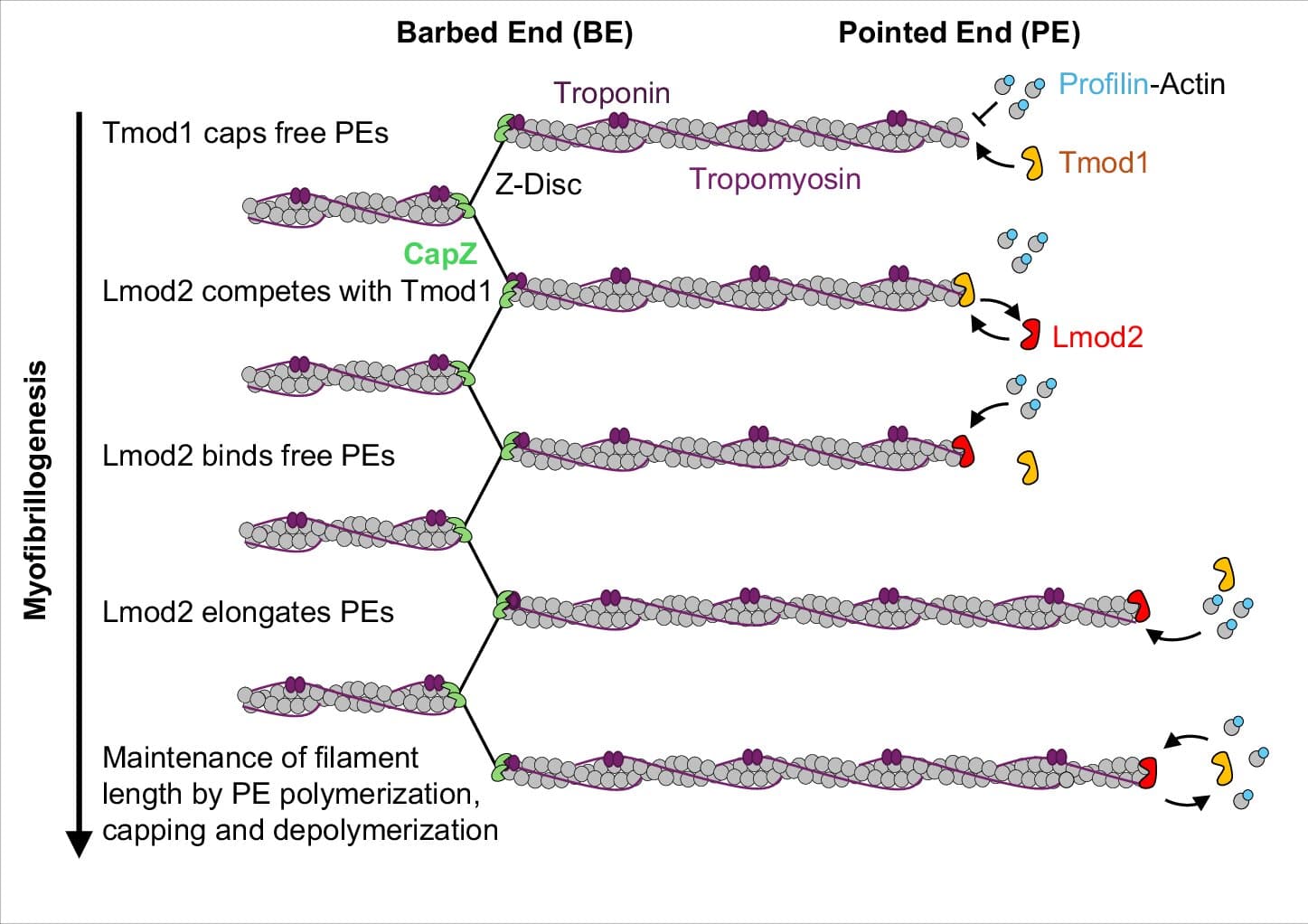
In a study published in Nature Communications biophysicists unravel the mystery of how muscles form at the molecular level and maintain their function. The findings may help design treatments for muscle diseases such as dilated cardiomyopathy, one of the leading causes of heart...
What to take away
Watch whether the idea proves useful beyond the early test.
Why it's good
It points to care or research that could improve health, time, or quality of life.
Keep reading
More Bright Stories
 Human Kindness
Bacteria build a mineral shield that could help marine infrastructure resist rust
Researchers at Reichman University have developed a biological method for protecting marine infrastructure from corrosion caused by prolonged exposure to seawater. The study, published in Cell Reports Physical Science, presents an environmentally friendly alternative to the chemical corrosion inhibitors currently used to protect metals—materials that can be both polluting and costly.
Phys.org Biology - Jul 30
 Human Kindness
Woman’s Viral Video Raises More Than $174K for Disabled Veteran She Spotted Working at Airport
A woman was able to help a partially disabled airport worker retire after she witnessed him hobbling across the tarmac on a flight out of Los Angeles. Heartbroken watching him limp up to the plane she was sitting on, she captured a video of the man for her TikTok account and posted it with a
Good News Network - Jul 30
 Human Kindness
Mapping endangered habitats with the help of citizen scientists and satellite data
As biodiversity declines and many of the UK's most important habitats become smaller and more fragmented, conservation organizations need accurate, up-to-date maps to protect wildlife and restore nature. However, creating these maps by surveying every site on foot is time-consuming, expensive and often impractical across large areas.
Phys.org Biology - Jul 30
 Human Kindness
The Chains of Generosity Transforming Kidney Donation
A guy goes into a bar, and leaves with one less kidney. That’s a joke Mark Scotch tells about his life. It’s only a slight exaggeration: A chance encounter in 2020 did lead to him donating a kidney — although not quite in the way he expected. Scotch, then 64,.
Reasons to be Cheerful - Jul 30