BrightSide
Good Earth

Trees and microbes team up to improve nitrogen nutrient processes in higher CO₂ conditions

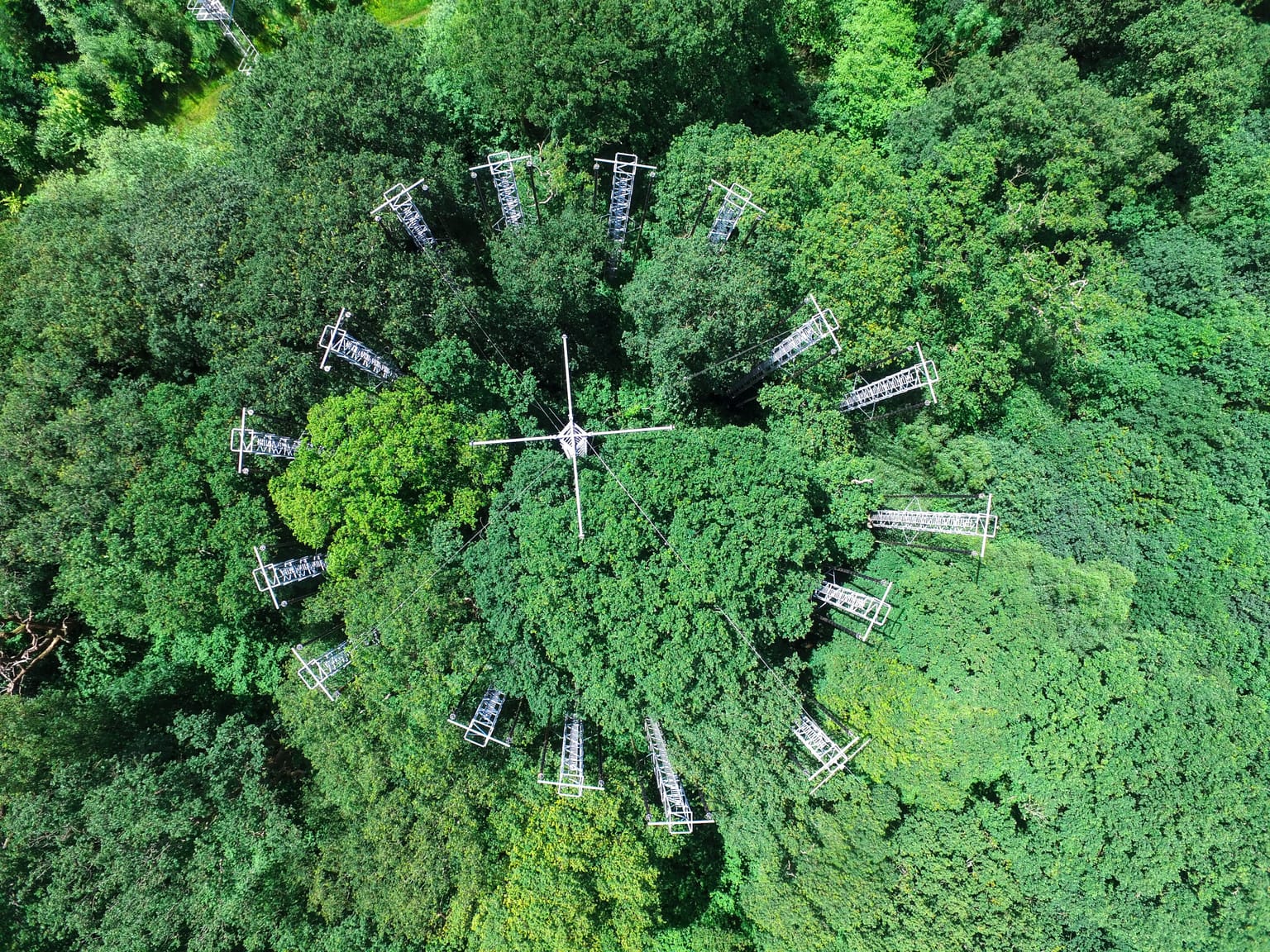
Forest trees growing in air containing higher levels of carbon dioxide (CO2) radically change the way they "cycle" nitrogen, a key plant nutrient, with implications for forests as a nature-based climate solution.

Phys.org BiologyPhys.org Biology
Source published Jul 29New3 min readBrightSide page reviewed Jul 29, 2026

What to take away

Watch whether this cleaner-energy idea becomes practical enough to spread.

Why it's good

It highlights progress that can make cleaner energy and healthier communities more realistic.

Keep reading

More Bright Stories

Fresh picks from the bright feed
Good Earth

Restored wetlands aren't clear-cut wins against climate change, study suggests

Wetland restoration is often promoted as a definitive way to support wildlife, improve water quality and help store carbon. However, new research from McGill University suggests the overall climate picture is more complicated. In a study of human-made marshes along the Bay of Fundy, researchers found that parts of these restored wetlands are releasing methane, a greenhouse gas 27 times more potent than carbon dioxide. The findings, published in the Journal of Geophysical Research: Biogeosciences, highlight the importance of addressing nuances and closely evaluating one-size-fits-all climate solutions.

Phys.org Earth - Jul 29

Good Earth

Smarter flood planning could protect millions as cities face rising climate risk

Extreme urban flooding is a growing challenge under climate change, threatening residents, infrastructure and urban systems. However, traditional emergency planning often relies on static population data and fixed facilities, failing to capture how people move during disasters.

Phys.org Earth - Jul 29

Good Earth

A faster, cheaper way to map the world's forests with AI

New research from the University of Cambridge offers an easy and readily available solution using AI and satellite data. In a paper published in the journal Science of Remote Sensing, researchers used embeddings by Tessera, a geospatial foundation model, to successfully map tree species across the Trentino region of the Italian Alps.

Phys.org Earth - Jul 29

Good Earth

Nepal's tiger numbers climb 20 percent to estimated 429: Survey

Nepal's tiger population has risen by roughly 20% in the past four years to an estimated 429, officials said Wednesday, a conservation milestone despite challenges from human-wildlife conflict.

Phys.org Biology - Jul 29