BrightSide
Good Earth

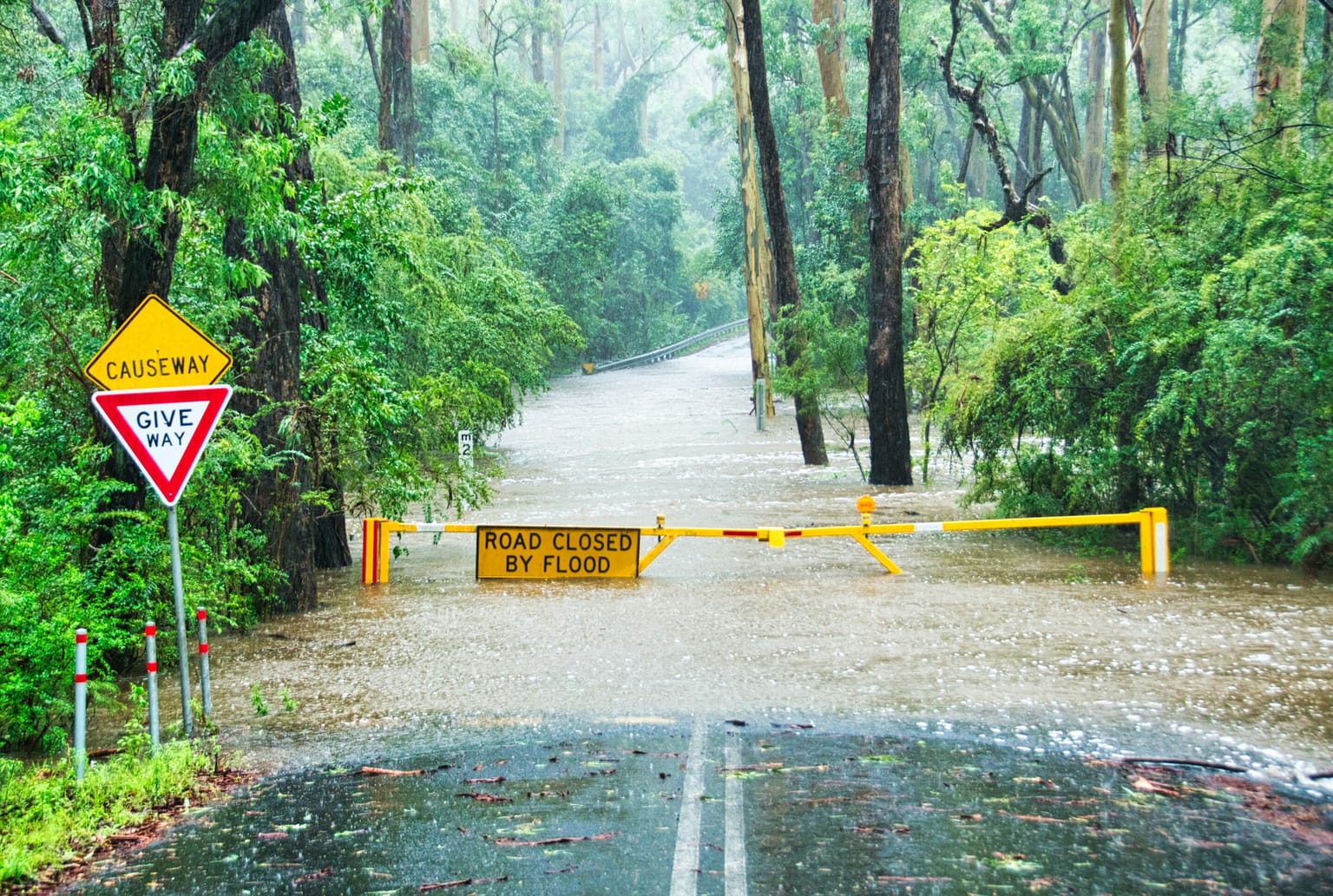
US residents near small rivers face disproportionately high future flood risks

An international team, including Kumamoto University and its partner institutions, has found severe flood risks and high climate-adaptation costs for U.S. small rivers.

Phys.org EarthPhys.org Earth
Source published Jul 28New3 min readBrightSide page reviewed Jul 28, 2026

What to take away

Watch whether this bright step keeps creating real value over time.

Why it's good

It shows practical action making shared natural spaces cleaner and healthier.

Keep reading

More Bright Stories

Fresh picks from the bright feed
Good Earth

Menominee Nation elders are getting solar and battery systems

The installations help keep electricity flowing at this Wisconsin reservation even when a major storm knocks out grid power.

Yale Climate Connections - Jul 28

Good Earth

Mountain Bongo Conservation in Kenya Marks Historic Rewilding Milestone

Happy Eco News Mountain Bongo Conservation in Kenya Marks Historic Rewilding Milestone Mountain Bongo conservation in Kenya advanced significantly when four male bongos arrived from European zoos to strengthen the breeding program at Mount Kenya Wildlife Conservancy.

Happy Eco News - Jul 28

Good Earth

Simple outdoor flood alarm protects homes from rising waters

Climate change is reshaping weather patterns around the world, bringing heavier rainfall and more extreme weather to places that have rarely experienced them before. Floods are among the most common natural disasters, and every year they affect millions of people, take lives, destroy homes, and cause billions of dollars in damage. Continue Reading Category: Good Thinking , Technology Tags: University of Texas , Flooding , Alarm , Disasters

New Atlas - Jul 27

Good Earth

Unveiling fungal plant infection strategies to reshape the future of crop protection

Fungal diseases are among the leading causes of crop destruction, threatening global food security and agricultural livelihoods. Among phytopathogenic fungi, anthracnose fungi and the rice blast fungus are known to share a common infection strategy. They develop specialized melanized infection structures known as appressoria and exhibit melanized appressorium-mediated entry (MAE) into plant tissues. However, growing evidence suggests that some fungi may not follow this conventional model, raising the question of whether melanization is truly indispensable for infection.

Phys.org Biology - Jul 27